Milk in the Garden: Put Milk in Plants for Added Benefits
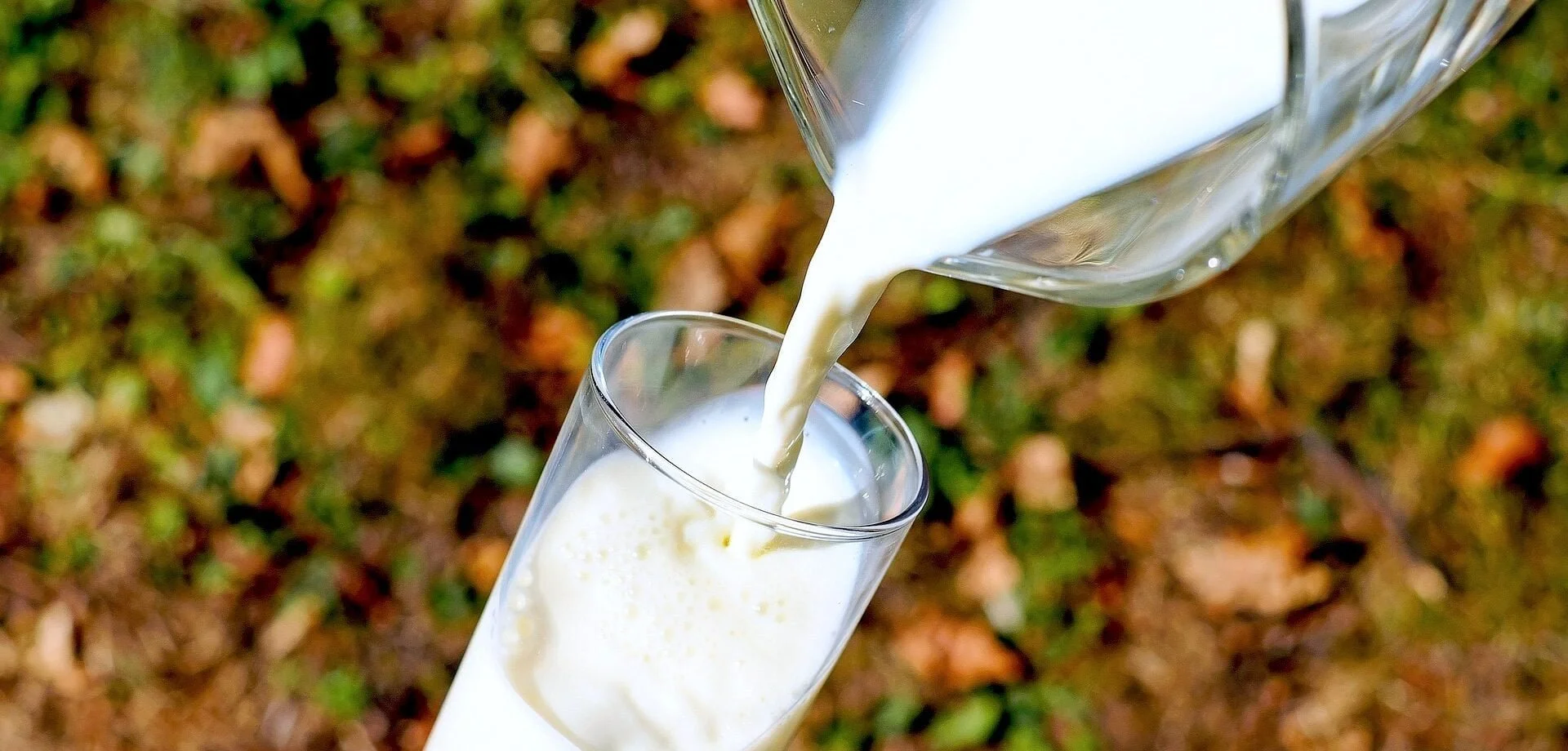
Dairy is such a versatile food group that can be incorporated into most recipes, but milk goes even further; you can even use milk in the garden. Touted as a nutrient powerhouse, milk isn’t only beneficial through human consumption. And this time, though they are amazing, below isn’t a list of homemade beauty products or wearable milk. Below are notes on the benefits of milk in plants.
Milk in the garden can be used as a gentle disinfectant for gardening tools when mixed with water, offering an alternative to bleach.
Diluted milk or dry milk may act as a fertilizer by adding calcium to the soil when used sparingly and fully absorbed.
A watered-down milk spray can help prevent or reduce powdery mildew on plant leaves during warm summer months.
How Does Milk in the Garden Benefit the Food I Grow and Eat?
The milk in your fridge or the powdered milk you’re adding to your tools can act as a quick substitution to help your fruits and vegetables grow. To the home gardeners looking for new methods to try in improving this year’s summer garden, read on for 3 ways to use milk in the garden.
Disinfect Tools
Milk can act as a disinfectant for gardening tools. Researchers at Ohio State University found that dipping pruners in a dry milk and water solution to disinfect them works just as well as dipping in a bleach solution. Plus, using milk is safer for gardeners whose skin comes into contact with the solution. The researchers used a non-fat dried milk solution, but perhaps regular milk will do, too!
Fertilize
Some gardeners swear that using milk as a fertilizer is life-changing. Others question if it’s better than the bag they can pick up at the store. And then there’s more debate on whether there’s a difference between the results of raw or unpasteurized milk. Why all this excitement over pouring milk into the ground? The idea behind milk’s use in the garden is that it may add calcium to the soil. To try milk’s possible benefits in the garden, use less milk than you would water to get the best results (and to avoid the smell of spoiled milk). Make sure it’s all absorbed and that none of the milk is left standing. Dry milk is a good solution for that.

Fight Mildew
Prevent mildew in the summer by spraying leaves with a powdered milk and water mixture. This mixture works best on those powdery gray spots that often appear on the leaves of growing fruit plants. Or you can use fluid milk. Dilute the milk and spray it onto plants in the warmer months to help fight mildew.
Q: How can I use milk to disinfect gardening tools?
A: Mix dry milk with water and dip or wipe pruners and tools in the solution to help disinfect them as an alternative to bleach.
Q: Can milk really work as a fertilizer in the garden?
A: Yes, some gardeners use diluted milk or dry milk to add calcium, but it should be heavily watered down and fully absorbed to avoid sour smells.
Q: How does milk help fight mildew on plants?
A: A diluted milk and water mix sprayed onto leaves can help reduce powdery mildew spots on fruit and vegetable plants when used regularly in warm weather.
Once your summer garden, protected and cared for, provides a bounty of tomatoes, cucumbers, peaches, and more, read this for inspiration for what to make with the results of your labor. As a secret tool or as a special ingredient to your meals, how will you bring milk to your summer garden?
Related Posts